
Hi all! Thanks to you Six Sigma Study Guide is growing by leaps and bounds. You’ve likely noticed that in addition to the 300 or so articles that are on the site, we have already had two great guest posts.
What is crazy is that people have been asking who is the person that runs the website? Where did it come from? What are you doing over there?
All great questions and I guess I never thought to introduce myself.
Well that changes today.
Introducing Ted: Six Sigma Fan Boy
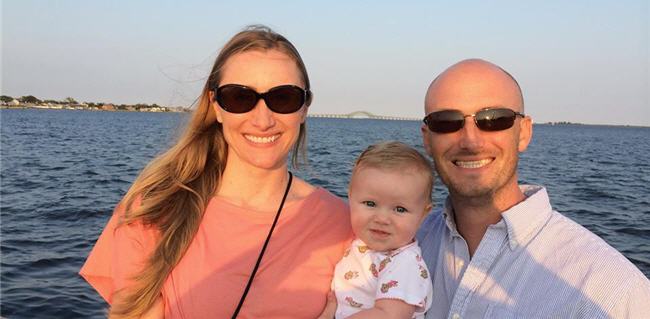
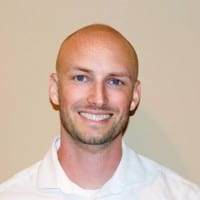
My name is Ted Hessing. There are extensive details (and more pictures) on the new about page. The short version is that I built this site because I needed to learn the material and pass both the Villanova Black Belt Exam and pass the ASQ Black Belt exam. Now I want to help you.
Now that we’ve been introduced. Please tell me about you!
My mission is to help you. Let me know how to do that!
The US National Whitewater Center where I live has a great phrase that all of their guides use in the mandatory safety lecture;
“Be a participant in your own survival.”
Right now I don’t know you, so please help me out so I can dial in to what you are doing and provide the best website possible. Right now I am making educated guesses – and I hate to guess!
Some things that would help me out are
- What are you looking to learn?
- What are you struggling with right now? Maybe it’s test prep. Maybe it’s applying a concept on the job. Anything is fair game.
- Are you studying for a certification? If so, which certification are you studying for?
- Why do you want to learn more or get certified in Six Sigma?
Either send me an email or leave a comment at the bottom of any of the posts.
Up Next
In the next article I will do a round up of everything we have available on the website. From study resources to free practice exams to test taking tips and more.
In the meantime, if there is something particular that could be a help, please let me know.
Why I Built This the Long Way
A lot of exam-prep sites get built backward: someone decides to sell a course, then writes content to match. This one started the other direction. I needed to pass two separate Black Belt exams (Villanova and ASQ) myself, found the existing study materials scattered, inconsistent, or just thin on the parts I personally found hardest, and started writing up my own notes article by article as I worked through the material. The site grew out of that practical need, not a business plan written first.
That origin still shapes how new content gets added here: an article usually exists because a real student asked a real question that wasn’t adequately answered anywhere else on the site yet, not because a content calendar said it was due. If you’re reading this years after it was written, that pattern hasn’t changed, the comment section and emails from students are still the main source of what gets written next.
What “Be a Participant” Actually Means Here
The whitewater rafting line at the top of this post isn’t just a nice turn of phrase, it’s a genuinely useful way to think about exam prep. A guide can tell you exactly where the rapids are and what to do, but you’re still the one who has to paddle. Passively reading articles front to back without testing yourself is the equivalent of sitting in the raft with your paddle up: you’ll get a worse outcome than someone less naturally talented who actually does the work of practicing, missing questions, and figuring out why.
What This Means for You Right Now
If you’ve read this far, you’re already more engaged than most visitors, so here’s the concrete ask behind all of this: don’t just read passively. Take a practice exam before you feel ready for one, not after. Leave a comment on an article when something doesn’t click, students who ask questions in the comments get real answers, and often end up improving the article for everyone who reads it after them. The site has grown this way for years, one specific, honest question at a time, and that’s genuinely still the fastest way to get an article written or clarified on exactly the topic that’s tripping you up.
So, genuinely: what are you studying for, what’s tripping you up right now, and why does it matter to you? I read every reply.
I’ll admit the site looks a little different now than it did when this was first written, more articles, more structured study guides, more students, but the underlying approach hasn’t changed: build what real people studying for a real exam actually need, based on what they tell me they’re missing, rather than guessing from behind a desk.
The Short Version, If You’re in a Hurry
Skip everything above and just do this: pick one certification, take one baseline practice exam this week, and reply to this post or email me with the single topic that gave you the most trouble. That one piece of feedback does more to shape what gets written next than any amount of me guessing what students need from behind a desk. It’s also, not coincidentally, the same “find your weak spot first” advice that shows up throughout the student success stories elsewhere on this site, it works for finding what to study, and it works for telling me what to write about next.
Thanks for reading this far, and for being part of what this site has grown into.
Looking forward to hearing from you.
Best, Ted.
P.S. The round-up mentioned above eventually grew into the New to Six Sigma? Start Here page, if you landed here looking for it.
Comments (8)
Preparing for Six Sigma Green belt certification…
Help me on how to start up with my studies.. as my course duration ends on 25th of Jan 2018
Would need help in getting a comprehensive study material so that I can concentrate fully on it.
Happy to help, Vinod. Which organization are you studying to get certified with? (Ex ASQ, IASSC, Villanova, etc)
Hi Ted, this is Jay. Working on the Green belt certification. I work with QA/QC departments in the Pharmaceutical/Biotech Industry.
Nice to meet you, Jay! Have you decided which organization you’d like to get certified with?
How many month need to pass Lean Six Sima Black Belt exam? If i study 3 hour every day.
Hi Sharif,
That depends on the level of training you started at and the amount of industry experience you have.
If you haven’t taken training, I would do that first then proceed to studying.
If you have already taken training, a good way to tell how much more you need to prepare is to take the baseline exams available here: https://sixsigmastudyguide.com/free
Best, Ted.
It’s very interesting to continue studying sixsigma
That’s fantastic to hear! Studying Six Sigma opens up a world of opportunities to improve processes, reduce waste, and drive efficiency across industries. Whether you’re aiming to enhance your problem-solving skills, boost your career, or lead impactful projects, Six Sigma provides a proven framework to achieve those goals.
To continue your journey, you might consider structured learning paths such as:
Additionally, exploring real-world case studies, tools like DMAIC, and statistical analysis techniques can provide valuable insights and practical skills.
Keep up the great work; the discipline and expertise you’re building will pay dividends in any professional setting!